
Finding Calm in Dinosaurs: A Journey Through Autism Awareness Month

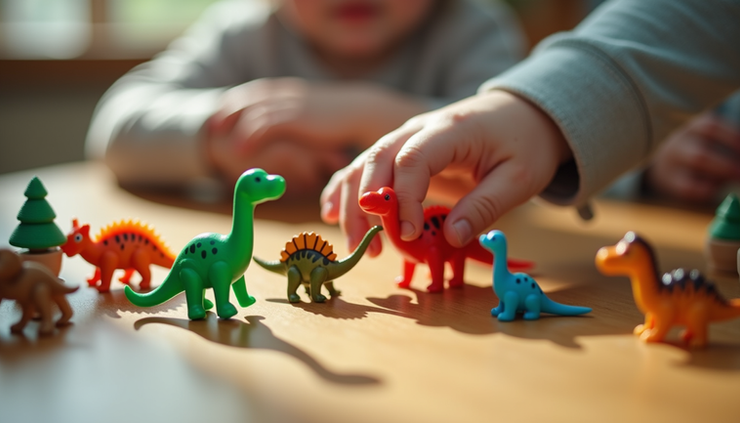
Since he was very young, Noah never quite fit in with the other kids at school. While they played tag or shouted in the playground, Noah found himself retreating to a quiet corner with his collection of dinosaur toys. The world of roaring T-Rexes and gentle Brachiosauruses was a place where he felt safe and happy. Loud noises made him nervous, and even hugs sometimes overwhelmed him, though he loved music and spending time with his family. Noah’s story is one many families share, and it highlights why April is so important as Autism Awareness Month.
Noah’s Story: Finding Comfort in a World of Dinosaurs
Noah’s parents noticed early on that he responded differently to the world around him. Crowded rooms and sudden noises made him anxious, and he preferred routines over surprises. His favorite moments were when he could sit quietly, imagining prehistoric landscapes with his dinosaurs. This fantasy world brought him calm and joy, a contrast to the confusion he sometimes felt in social settings.
Despite challenges, Noah’s love for music and his close family bonds showed his unique way of connecting with others. His story reflects the diversity of experiences within the autism spectrum, where each person has their own strengths and struggles.
The Beginning of Autism Awareness Month
April is Autism Awareness Month and it started in 1970, initiated by the Autism Society of America. The goal was to increase understanding and acceptance of autism, a condition that was often misunderstood or overlooked. Over time, April became a dedicated month to spread awareness, promote early diagnosis, and support families affected by autism.
The month serves as a reminder that autism is not a disease to be cured but a different way of experiencing the world. It encourages communities to embrace neurodiversity and provide resources that help individuals thrive.
Why Autism Awareness Month Matters
Awareness leads to acceptance, and acceptance leads to support. During April, organizations, schools, and communities come together to:
Educate the public about autism’s signs and characteristics
Promote early screening and intervention
Share stories like Noah’s to humanize the experience
Advocate for inclusive policies and environments
This month matters because many people with autism face social isolation, misunderstanding, and lack of access to services. Raising awareness helps break down barriers and build a more inclusive society.
Understanding Autism as a Spectrum
Autism is called a spectrum because it includes a wide range of experiences and abilities. Some individuals may have strong verbal skills but struggle with social cues, while others might be nonverbal but excel in visual thinking or memory.
Research shows that about 1 in 36 children in the United States is diagnosed with autism spectrum disorder (ASD). This number reflects increased awareness and better diagnostic tools, not a sudden rise in cases.
Recognizing autism as a spectrum helps avoid stereotypes and acknowledges that each person’s needs and talents are unique. It also guides personalized support and education plans.
What Causes Autism?
There are many myths about what causes autism. It is not caused by vaccines or medications, a misconception that has been thoroughly debunked by scientific research. Instead, medical studies suggest that genetics play a significant role. Autism often runs in families, indicating hereditary factors.
Environmental influences may also contribute, but no single cause has been identified. Understanding the causes helps reduce stigma and focuses attention on support rather than blame.
Supporting Individuals Like Noah
Noah’s story shows the importance of recognizing and respecting different ways of experiencing the world. Support can include:
Creating quiet spaces to reduce sensory overload
Using visual schedules to provide routine and predictability
Encouraging special interests, like Noah’s dinosaurs, to build confidence
Promoting social skills through guided interaction and patience
Families, schools, and communities all play a role in helping individuals with autism reach their potential.


Comments